
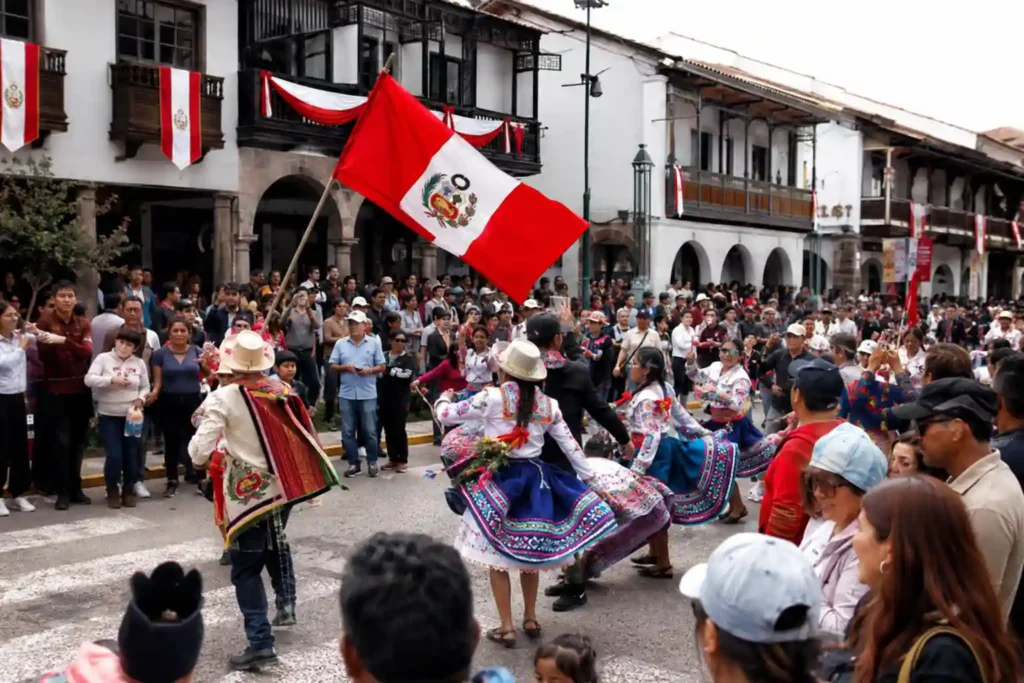
National Peruvian Day, celebrated every July 28, is one of the most festive times of year to be in Peru. The streets fill with military parades, traditional music, and the smell of food that only comes out on special occasions. Whether you plan to be in Lima, Cusco, or anywhere in between, knowing what to expect will help you make the most of a date that Peruvians take very seriously.
You might be interested in: 8 travel ideas for summer to inspire your next vacation
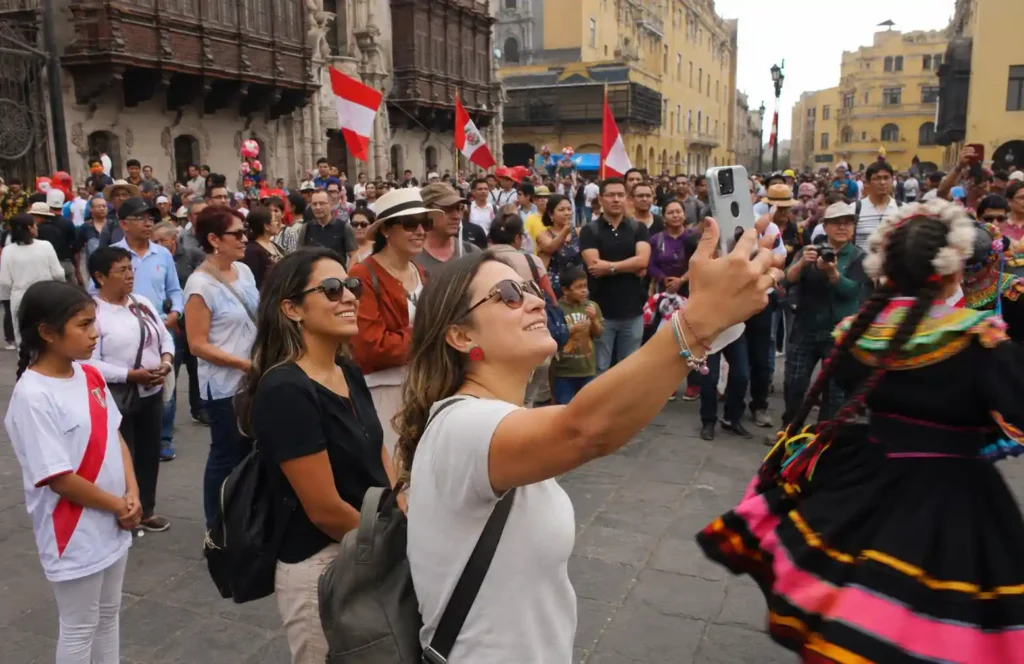
What is national Peruvian day
On July 28, 1821, General José de San Martín stood in Lima’s Plaza Mayor and declared Peru free from Spanish rule after nearly three centuries of colonial domination. His words, “Peru is from this moment free and independent by the general will of the people,” echoed across a continent already stirring with the desire for change.
But the story did not end there. Royalist forces still held large parts of the highlands, and it was not until 1824, after the battles of Junín and Ayacucho, that the last Spanish viceroy was defeated and independence was fully consolidated. July 28 became the birthday of the Republic, and that emotional weight is still very much felt today.
The official holiday runs two days. July 28 commemorates the declaration of independence, while July 29 honors the Peruvian Armed Forces and National Police. Peruvians often refer to the date simply as el 28, and everyone knows exactly what that means.
The official program on July 28
The morning begins with a Te Deum mass led by the Archbishop of Peru, attended by the president and other government authorities. After the mass, the president delivers his annual Message to the Nation from the Government Palace, outlining the country’s achievements and priorities for the year ahead. The speech is broadcast live across all channels and is considered the most significant political event of the Peruvian calendar.
The day also opens with 21-gun salutes across the country and a flag-raising ceremony in Lima. In cities and towns nationwide, civic parades follow, with schools, community groups, and local institutions marching in uniforms or traditional dress.
The Great Military Parade on July 29
On July 29, the Great Military Parade takes place in Lima along Avenida Brasil, presided over by the President and attended by members of Congress, the Diplomatic Corps, religious leaders, and high-ranking military and police officials. It is a large-scale spectacle and one of the most anticipated events of the two-day holiday.
You might be interested in: Cusco Weather in July 2026: Temperatures, Climate & What to Pack
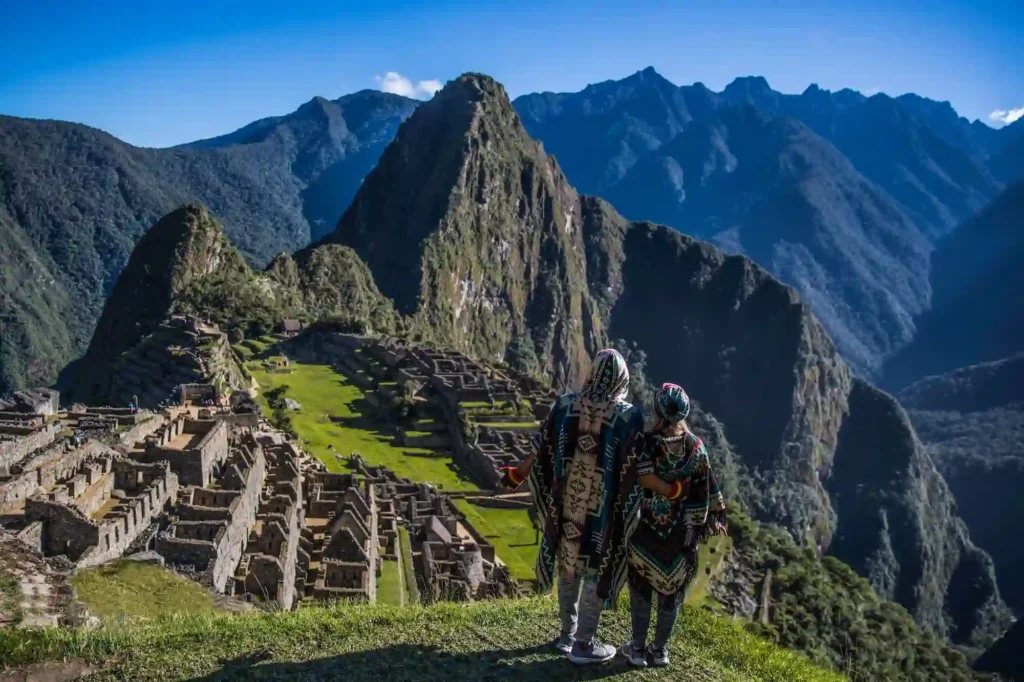
Where to be for national Peruvian day
Where to be for national Peruvian day
Peru is a big country and every corner of it celebrates July 28 in its own way. Here is a breakdown of the best destinations to experience the holiday, whether you are after grand ceremonies, highland dances, jungle boats, or lakeside festivals.
Lima
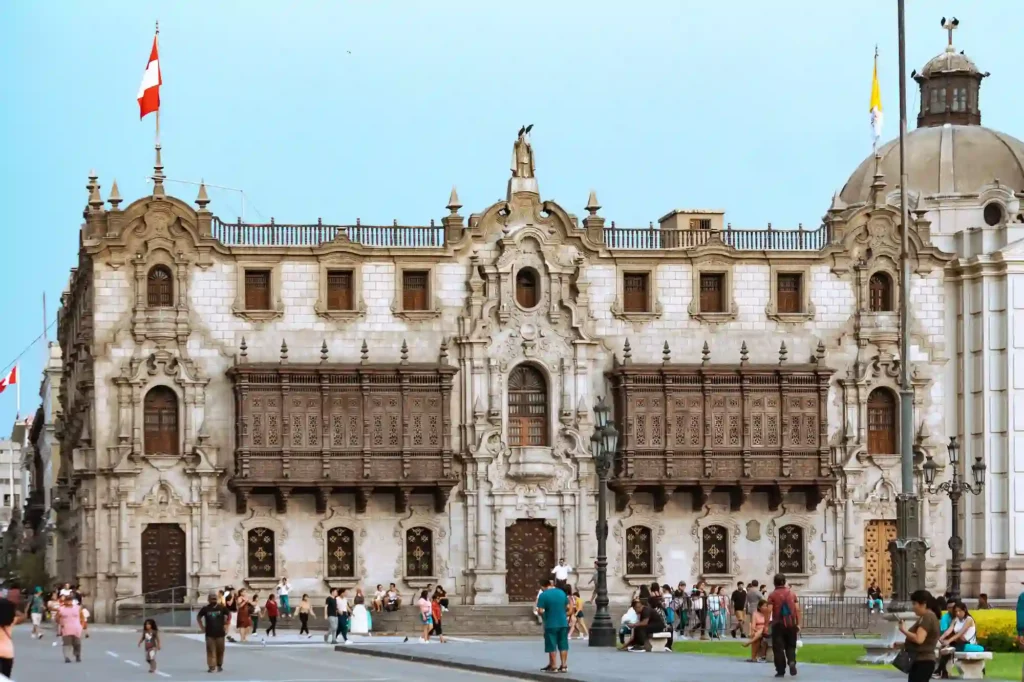
Lima is the center of it all. This is where the official ceremonies take place, where the president delivers his speech from the Government Palace, and where the Great Military Parade fills Avenida Brasil on July 29. If you want to witness the most formal and nationally significant version of the holiday, the capital is the place to be.
Beyond the official program, the city comes alive with food fairs, concerts, and folklore performances throughout the holiday weekend. The Parque de la Exposición hosts live shows and traditional dance, while the Magic Water Circuit puts on special light projections about Peru’s history. Food fairs like Perú Mucho Gusto gather the best of regional gastronomy in one place, and the streets of Barranco and Miraflores fill with music well into the night. Book your hotel early, as Lima receives a huge number of visitors during this period.
Cusco
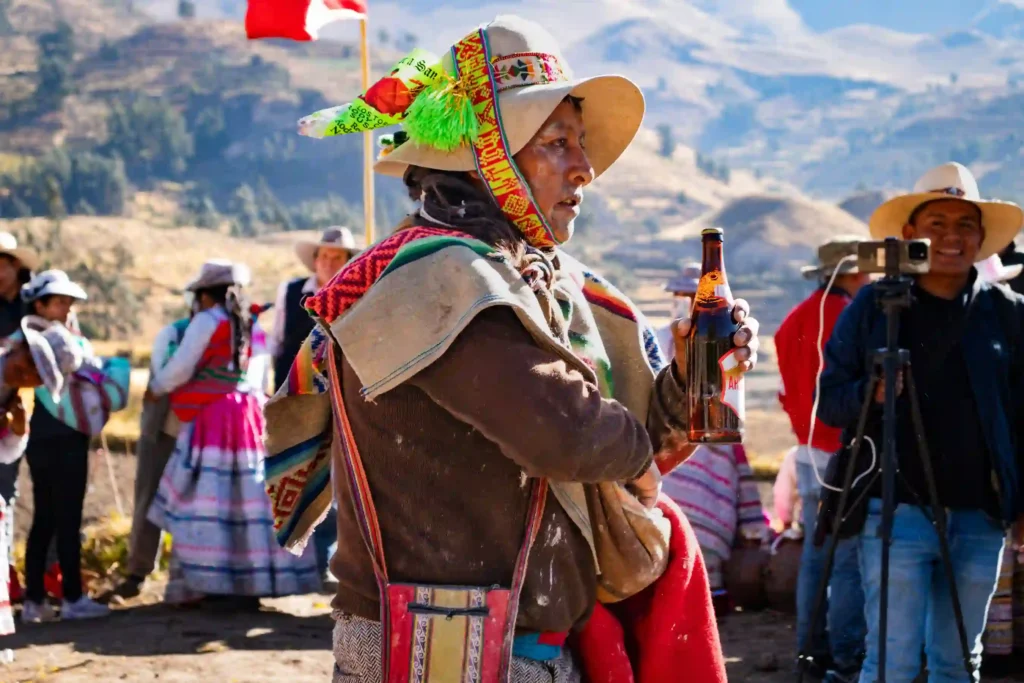
Cusco brings a depth to the celebration that is hard to find anywhere else. The thirteen provinces of the Cusco region converge on the Plaza de Armas to present their traditional dances in ancestral costumes, turning the colonial square into a stage for Andean culture. Dances like the Capac Chuncho, the Mestiza Qoyacha, and the Ukuku draw on centuries of indigenous tradition and are performed alongside the official patriotic ceremonies.
Many communities also make a payment to Pachamama before the celebrations begin, a ritual deeply rooted in the Andean worldview. If you are based in Cusco for the holiday, use the long weekend to visit Sacsayhuamán, the Qoricancha temple, or the San Pedro market. Treks to the Sacred Valley and the Inca Trail fill up fast around this date, so plan and book well in advance.
Arequipa
Arequipa has its own festive calendar that coincides beautifully with national Peruvian day. The Plaza de Armas comes alive with free concerts, military bands, and civic parades, while the city’s traditional picanterías serve the kind of food that only appears during celebrations. Try rocoto relleno, adobo arequipeño, or a steaming bowl of shrimp chowder while the square fills with music around you.
The festivities in Arequipa tend to run longer than in other cities, as July 28 leads directly into the city’s founding anniversary in early August. If you can extend your stay by a few days, the celebration keeps going.
Trujillo
Trujillo marks the holiday with marinera dance parades and Peruvian Paso horse exhibitions, two traditions that are deeply tied to northern Peruvian identity. The city’s celebrations feel prouder and more locally rooted than in the big tourist hubs, which makes them genuinely worth seeking out. While you are there, the Chan Chan archaeological complex and the Huanchaco beachfront are two stops that round out the visit nicely.
Cajamarca
Cajamarca goes all in for Fiestas Patrias with a seven-day Agricultural Fair that has become the flagship event of the northern Andes during this period. The fair combines norteña marinera contests, Peruvian Paso horse shows, folk dances, local cheese exhibitions, and artisan crafts, all set against the backdrop of a city that played a pivotal role in the Spanish conquest. It is one of the more underrated places to spend the holiday.
Puno and Lake Titicaca
Puno celebrates with sikuri bands, colorful costumes, and dance competitions in the main plaza. One of the most moving moments of the holiday happens in Desaguadero, on the border with Bolivia, where Peruvian and Bolivian students exchange flags in a binational ceremony. A boat trip to the Uros floating islands or Taquile on July 28 offers a completely different perspective on the holiday, one that blends patriotic pride with the ancient culture of the altiplano communities.
You might be interested in: 15 reasons to visit Peru in 2026
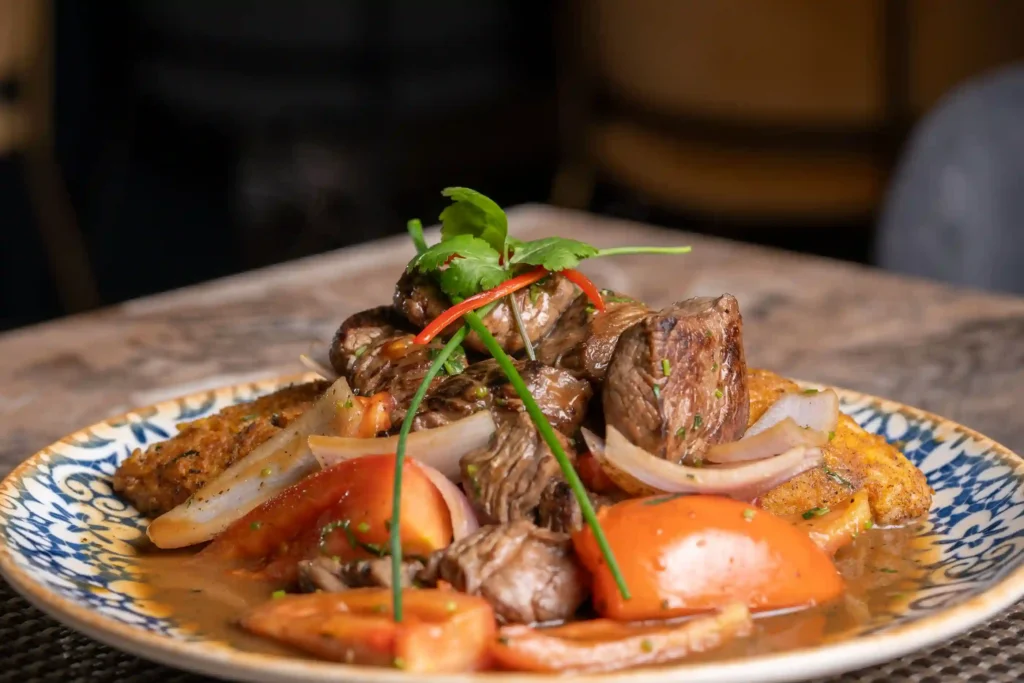
What to eat during peruvian national day
Food is central to the celebration, and every region shows off its best dishes during Fiestas Patrias. On the coast, anticuchos, stuffed potatoes, aji de gallina, and fresh ceviche are the stars of the table. In the highlands, expect cuy chactado, rocoto relleno, and adobo arequipeño. In the Amazon, juane, tacacho with jerky, and inchicapi bring the jungle flavor to the festivities.
For dessert, mazamorra morada, arroz con leche, and fresh picarones are everywhere. And to toast the occasion, the pisco sour is the undisputed drink of July 28, though chicha morada is just as popular for those who prefer something without alcohol.
If you are in Lima, keep an eye out for the “Perú Mucho Gusto” food fair, which gathers the best of regional Peruvian gastronomy in one place and runs during the holiday weekend.
Practical tips for visiting Peru on national Peruvian day
Book everything early: July is peak season across the country. Hotels, Inca Trail permits, and guided tours sell out weeks or even months before July 28, especially in Cusco, Machu Picchu, and Lima. If your trip falls around the holiday, treat your bookings as urgent rather than optional. The earlier you lock things in, the more options you will have on dates, routes, and accommodation type.
Expect closures on both days: Government offices, banks, and a large number of businesses shut down on July 28 and 29. Museums and archaeological sites may operate on reduced hours or special holiday schedules, so check ahead before building your itinerary around specific attractions. Stock up on cash before the holiday weekend begins, as ATM lines in tourist areas can get surprisingly long and some machines run out.
Arrive early to parade routes: The best viewing spots fill up fast, whether you are in Lima for the Military Parade on Avenida Brasil or in a smaller city watching the civic parade wind through the Plaza de Armas. Arriving an hour before the start is not too early, and bringing something to sit on will make the wait much more comfortable.
Build extra time into every transport plan: Traffic in Lima, Cusco, and other major cities gets significantly heavier than usual as Peruvians travel across the country to be with family. Road closures around parade routes add another layer of delay. Give yourself more time than you think you need for airport transfers, intercity buses, and any movement on July 28 and 29 morning. The holiday energy is absolutely worth it, but trying to rush through it will only frustrate you.
Frequently asked questions about national Peruvian day
Planning a trip around July 28 comes with a lot of questions. Here are the ones travelers ask most often, answered honestly.
1. Is Peru Independence Day a public holiday?
Yes, and it is actually two consecutive public holidays. July 28 commemorates the declaration of independence and July 29 honors the Peruvian Armed Forces and National Police. Both days are official non-working days across the entire country. Banks, government offices, and many private businesses close on both dates. That said, tourist-facing services like hotels, restaurants, and tour operators generally stay open, since the holiday brings a significant surge in domestic and international travel.
2. What do Peruvians eat on July 28?
Food is one of the most important parts of the celebration, and families go all out. On the coast, ceviche, anticuchos, papa a la huancaína, and aji de gallina are staples of the holiday table. In the highlands, cuy chactado, adobo arequipeño, and rocoto relleno take center stage. In the Amazon, juane and tacacho with cecina are the dishes of choice. For dessert, mazamorra morada, arroz con leche, and picarones show up at almost every celebration regardless of region. The drink of the day is the pisco sour, though chicha morada runs a close second. If you are traveling during the holiday, food fairs are one of the best ways to eat well and eat local.
3. What happens in Peru on July 29?
July 29 is dedicated to the Peruvian Armed Forces and National Police. The centerpiece of the day is the Great Military Parade, held in Lima along Avenida Brasil and presided over by the President of the Republic. The parade includes members of all three branches of the military plus the national police force, and it draws large crowds along the route. Outside of Lima, cities across the country hold their own civic and military parades in the main plaza. July 29 tends to be louder and more visually spectacular than July 28, and it is the day most travelers remember longest.
4. Is Peru safe to visit during Fiestas Patrias?
Peru is generally safe to visit during the holiday, and millions of domestic and international tourists do so every year without incident. That said, the usual precautions apply and deserve extra attention during this period. Crowds are larger than normal in Lima, Cusco, and other major cities, which means pickpocketing risk increases in busy areas like parade routes, markets, and plazas.
Keep your belongings close, avoid displaying expensive cameras or phones unnecessarily, and use registered taxis or apps like Cabify or InDriver rather than flagging down vehicles on the street. As long as you stay aware of your surroundings, the holiday is a genuinely welcoming and festive time to be in Peru.
5. Are Machu Picchu tickets available during July 28?
Tickets to Machu Picchu are available during the holiday period, but they sell out extremely fast. July is already one of the busiest months of the year for the site, and the long weekend around July 28 pushes demand even higher. The Peruvian Ministry of Culture limits the number of daily visitors to Machu Picchu, and those slots can disappear weeks or even months in advance during peak season.
If your trip falls around national Peruvian day and Machu Picchu is on your list, buy your tickets as early as possible through the official government platform. Waiting until you arrive in Cusco is a risk not worth taking during this time of year.

