
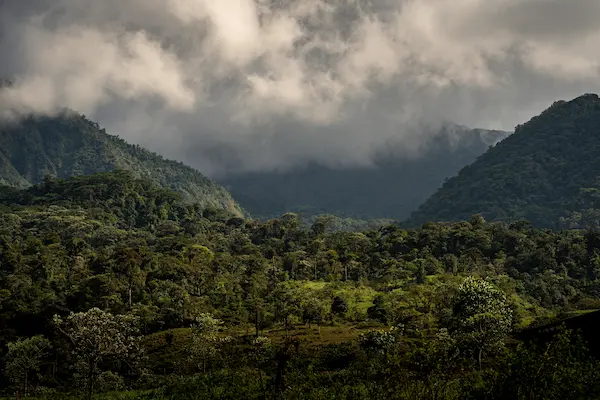
Peru is widely known for its breathtaking landscapes and archaeological wonders, but what truly makes the country unforgettable is peruvian culture and traditions that remain alive in everyday life. From the Andes to the Amazon and the Pacific coast, communities continue to preserve customs that date back thousands of years, blending pre-Columbian heritage with colonial and modern influences.
Understanding peruvian culture and traditions is not only about visiting historical sites. It is about observing how people dress, speak, celebrate, cook, farm, and interact with nature. These traditions are not frozen in museums; they are part of daily routines, local festivities, and social values that define Peru’s identity.
For travelers interested in meaningful journeys, learning about peruvian culture and traditions offers a deeper way to connect with the country beyond sightseeing.
You may also be interested in:Eco Tourism vs Traditional Tourism in 2026

The ancestral roots behind peruvian culture and traditions
Long before the Inca Empire, advanced civilizations such as the Caral, Chavín, Paracas, Nazca, Moche, and Wari shaped the foundations of peruvian culture and traditions. These societies developed agricultural systems, textiles, ceramics, architecture, and spiritual beliefs that still influence communities today.
Caral, considered one of the oldest civilizations in the Americas, already demonstrated organized urban planning and ceremonial centers that reveal early forms of social structure and ritual life. The Chavín introduced symbolic art and religious iconography that spread across the Andes, while the Paracas and Nazca became masters of textile art and geoglyphs that still puzzle researchers. The Moche left behind complex ceramics and irrigation systems on the northern coast, and the Wari contributed to early models of territorial organization that would later inspire Inca governance.
The Inca later unified vast territories through a sophisticated administrative system, road networks, and agricultural terraces that reflected a profound respect for nature. Many Andean communities continue to practice farming techniques inherited from their ancestors, demonstrating how peruvian culture and traditions are transmitted across generations.
Terracing, crop rotation, seed preservation, and the use of native products like quinoa, potatoes, and maize are not simply agricultural choices but living evidence of ancestral knowledge. Oral traditions, myths, and community rituals have preserved this wisdom, allowing peruvian culture and traditions to remain visible in everyday practices rather than only in archaeological remains.
This historical continuity explains why visitors often feel that Peru’s past is still present in modern life.
Daily life as an expression of peruvian culture and traditions
In many rural Andean towns, daily activities reflect peruvian culture and traditions in subtle but powerful ways. Traditional clothing made of alpaca and sheep wool is still worn not as a costume, but as practical attire adapted to the climate. Quechua and Aymara languages are spoken at home, preserving ancient forms of communication.
Homes are often built with materials taken directly from the surrounding environment, and daily routines follow natural cycles marked by sunrise, sunset, and seasonal changes. Children grow up observing and participating in tasks such as herding, planting, harvesting, and textile work, learning through observation rather than formal instruction. This continuity allows peruvian culture and traditions to be absorbed naturally from one generation to the next.
Markets, family farming, and community cooperation known as ayni demonstrate how peruvian culture and traditions are deeply connected to collective values. Food preparation, weaving, music, and storytelling are learned from childhood and shared within families.
Even small gestures like sharing meals, greeting neighbors in native languages, or participating in communal celebrations show how peruvian culture and traditions remain integrated into daily life rather than reserved for special occasions.
These living expressions allow travelers to witness peruvian culture and traditions not as performances, but as authentic parts of local life.
Cusco as the cultural heart of peruvian culture and traditions
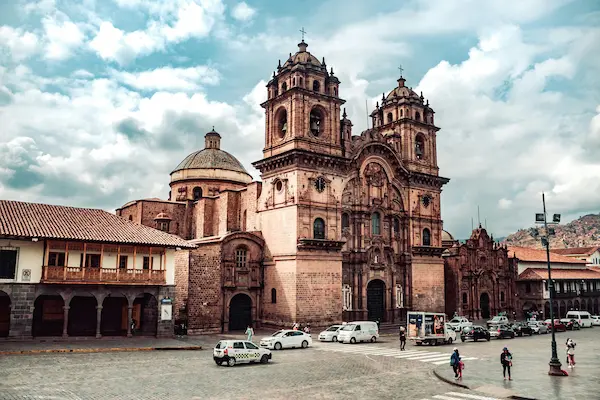
Cusco, once the capital of the Inca Empire, remains one of the most important places to understand peruvian culture and traditions. The city itself is built over Inca foundations, where colonial churches stand on ancient stone walls, symbolizing the blending of eras.
Its streets, plazas, and surrounding valleys function almost like an open-air cultural archive. Stone pathways, original Inca walls, and preserved neighborhoods allow visitors to see how architecture itself forms part of peruvian culture and traditions. Local markets filled with handmade textiles, native foods, and traditional music further reflect how history and modern life coexist naturally.
Walking through nearby villages, visitors can see how farming rituals, textile techniques, and community celebrations continue to reflect peruvian culture and traditions. Many travelers choose to explore the region through organized Tours in cusco that provide historical context and respectful access to local communities, helping them appreciate these traditions beyond surface-level tourism.
In rural areas surrounding the city, families continue to practice ancestral weaving methods, cultivate native crops, and celebrate agricultural calendars that have guided communities for centuries. These experiences help illustrate why Cusco is often described as the living center of peruvian culture and traditions.
You may also be interested in:Guied complete 1 day Machu Picchu tour from Cusco
Spiritual beliefs and festivals within peruvian culture and traditions
Spiritual beliefs and festivals within peruvian culture and traditions
Spirituality plays a key role in peruvian culture and traditions. Ancient Andean beliefs honoring Pachamama (Mother Earth), the Apus (mountain spirits), and natural cycles are still respected, often blending with Catholic practices introduced during colonial times.
Festivals such as Inti Raymi, Qoyllur Rit’i, and local patron saint celebrations are vivid expressions of peruvian culture and traditions. These events combine music, dance, colorful clothing, and communal rituals that have been practiced for centuries.
Participating respectfully in these festivities allows visitors to witness peruvian culture and traditions expressed in their most vibrant form.
The symbolism behind rituals and celebrations
Each ritual and celebration carries symbolic meanings connected to gratitude, balance with nature, and community unity. Offerings to the earth, traditional dances representing historical events, and ceremonial clothing all serve as visual expressions of peruvian culture and traditions that communicate beliefs without the need for words.
Understanding this symbolism helps travelers appreciate that these festivals are not performances for tourists, but genuine cultural practices rooted in centuries of history.
Learning through meaningful travel experiences
Travelers interested in understanding peruvian culture and traditions often seek experiences that go beyond standard sightseeing. Visiting weaving communities, participating in traditional cooking, or observing agricultural rituals provides educational insight into how these traditions are maintained.
These activities allow visitors to move from passive observation to active learning. By spending time with local families, listening to their stories, and seeing how daily tasks are performed, travelers gain a clearer perspective on how peruvian culture and traditions are preserved through practice rather than theory.
In this context, working with a knowledgeable Peru Tour Operator can help visitors access communities in a respectful and informed way, ensuring that interactions honor local customs while deepening the understanding of peruvian culture and traditions.
This approach transforms a trip into a cultural learning experience rather than a simple vacation.
Machu Picchu as a symbol of peruvian culture and traditions
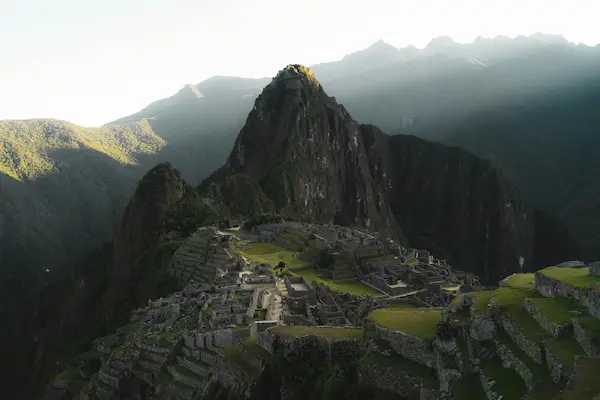
Machu Picchu is not only an architectural marvel but also a symbol of peruvian culture and traditions related to astronomy, agriculture, and spirituality. The site reflects the Inca worldview, where harmony with nature and cosmic alignment guided construction and daily life.
The precise stonework, the orientation of temples toward celestial events, and the integration of terraces into the mountain landscape reveal a deep understanding of geography and natural cycles. These elements show how peruvian culture and traditions were shaped by observation of the environment and respect for the surrounding ecosystem.
Many travelers include this wonder in broader itineraries through Peru Tour Packages that place the visit in historical and cultural context. Understanding the meaning behind Machu Picchu allows visitors to see it as part of peruvian culture and traditions, rather than just a bucket-list destination.
This perspective adds depth to one of the world’s most famous landmarks.
Architectural wisdom and connection to nature
The layout of the city, the agricultural terraces, and the sacred spaces demonstrate how engineering, spirituality, and daily life were interconnected. Observing these details helps visitors recognize that Machu Picchu represents far more than ruins; it is a living testament to the knowledge systems that continue to influence peruvian culture and traditions today.
Water channels carved into stone, precisely designed drainage systems, and the strategic placement of structures to withstand earthquakes reveal an advanced understanding of natural forces. The Incas did not attempt to dominate the landscape; instead, they adapted construction to the mountain’s natural form, reinforcing the idea that harmony with nature is central to peruvian culture and traditions.
Even the viewpoints, stairways, and ceremonial spaces were designed to frame the surrounding peaks and sky, reminding inhabitants of their spiritual connection to the environment. These architectural decisions illustrate how knowledge, belief, and daily survival were integrated into a single worldview that still resonates across the Andes.
Textiles, music, and gastronomy in peruvian culture and traditions
Textile art is one of the most recognizable elements of this heritage. Patterns and colors often represent community identity, marital status, or regional background. These techniques have been preserved for centuries and are still practiced manually in many Andean villages.
Music and dance also play an essential role, with instruments and rhythms passed down through generations. Meanwhile, Peruvian gastronomy combines native ingredients like quinoa, potatoes, and corn with influences from Spanish, African, and Asian cuisines.
Together, these artistic expressions show how traditions evolve while preserving their essence.
The language of textiles and handmade artistry
In many Andean communities, weaving is considered a form of storytelling. Each symbol woven into a textile can represent mountains, rivers, animals, or cosmological beliefs. The process itself spinning, dyeing with natural pigments, and weaving on backstrap looms requires patience and knowledge passed from parents to children.
These handmade pieces are not created for decoration alone but for daily use, ceremonies, and social identification. Observing artisans at work offers visitors a deeper appreciation for the craftsmanship and cultural meaning embedded in every thread.
Flavors, sounds, and celebrations of identity
Traditional dishes often follow ancestral recipes prepared with locally grown ingredients and seasonal products. Meals are frequently shared during community gatherings, festivals, and family celebrations, reinforcing social bonds.
Likewise, music accompanies important moments in life, from harvest periods to religious festivities, helping preserve identity through rhythm, dance, and collective memory.
You may also be interested in:Places to Go on Valentine’s Day
The role of community and respect for nature
A defining characteristic of peruvian culture and traditions is the relationship between people and nature. Agricultural calendars follow lunar and solar cycles, and many communities perform rituals to thank the earth before planting or harvesting.
This connection is visible in the way land is cultivated, animals are cared for, and natural resources are used with moderation. Rather than viewing nature as something to control, many Andean communities understand it as a partner in daily survival and spiritual balance.
Collective work and shared responsibility demonstrate how peruvian culture and traditions prioritize community well-being over individual gain. Tasks such as planting, building homes, or preparing for festivities are often done together, reinforcing social bonds and mutual support.
This worldview offers valuable lessons for modern visitors seeking more sustainable ways of living. Observing these practices helps travelers understand why peruvian culture and traditions are closely tied to environmental respect.
Preserving peruvian culture and traditions for future generations
Despite modernization, many communities actively work to preserve peruvian culture and traditions through education, festivals, and intergenerational teaching. Schools, families, and cultural organizations play an important role in keeping these customs alive.
Workshops on weaving, traditional music, native languages, and ancestral farming methods are organized so younger generations can learn directly from elders. Community celebrations also function as living classrooms where history, beliefs, and social values are passed down through participation rather than formal lessons.
Travelers who show interest and respect contribute indirectly to the preservation of peruvian culture and traditions by valuing what local communities strive to protect. Their curiosity and appreciation help reinforce the importance of maintaining these practices in a rapidly changing world.
Conclusion: experiencing peruvian culture and traditions beyond the surface
Exploring Peru with cultural awareness reveals a country where history is still alive in everyday life. Peruvian culture and traditions are not relics of the past but living practices that shape identity, values, and community life across the nation.
From rural villages in the Andes to historic cities and vibrant markets, these customs continue to guide how people work, celebrate, cook, dress, and relate to nature. Observing them with respect allows visitors to understand the deeper meaning behind everyday actions and community rituals.
For travelers willing to look beyond the obvious, understanding peruvian culture and traditions offers a richer, more authentic connection with Peru that lasts long after the journey ends.

