
PACHACUTEC: THE GREAT INCA RULER
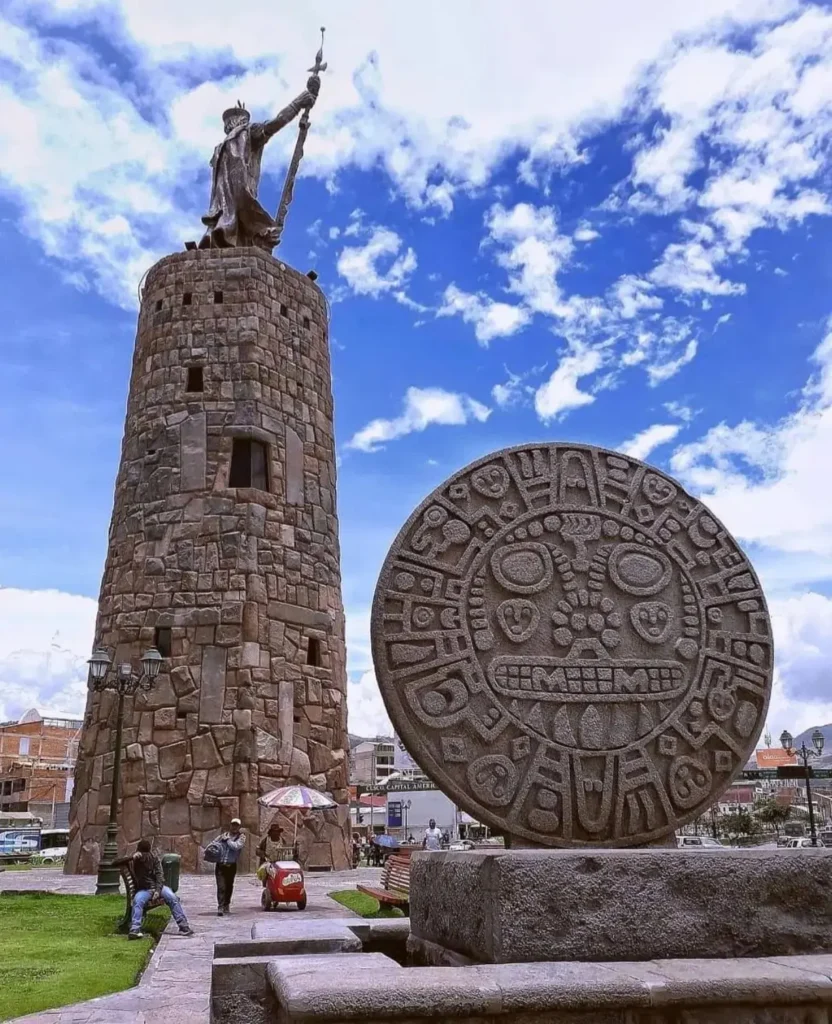
Pachacutec was the visionary leader who transformed the Inca state into a powerful empire. His leadership marked the beginning of a new era of expansion, organization, and architectural development across the Andes.
the leader behind the empire
Under Pachacutec, the Inca territory expanded from a small valley into an empire that stretched across thousands of kilometers in the Andes.
This transformation was not only military but also architectural and cultural, shaping one of the most advanced civilizations in the ancient world.
the rise of pachacutec
from kingdom to empire
The transformation of the Inca state into a powerful empire began under the leadership of Pachacutec. After defending Cusco from invasion, he reorganized the political structure and initiated a period of rapid expansion across the Andes.
He introduced new systems of governance, improved infrastructure, and promoted large-scale construction projects that shaped the identity of the Inca Empire. His leadership marked the transition from a local kingdom to a highly organized and influential civilization.
key moments
- 1438 – Pachacutec defeats rivals and takes control of Cusco
- 1440s – Reorganization of the Inca state and expansion begins
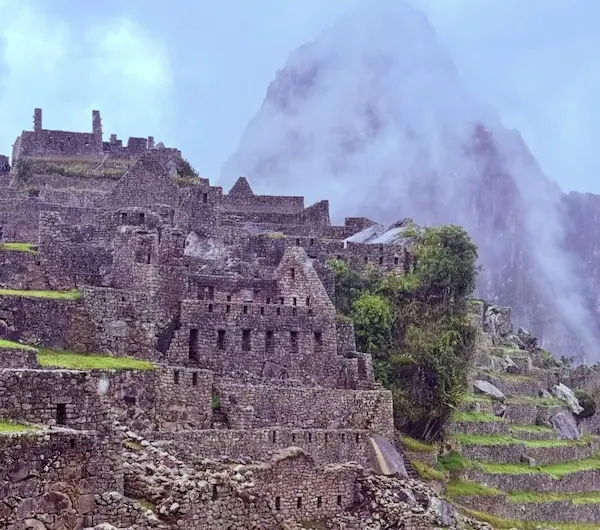
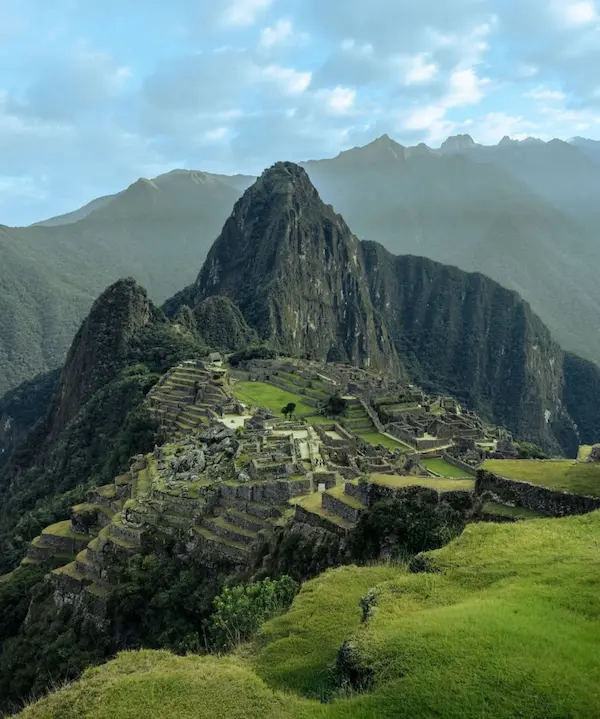
- 1450s – Major construction projects, including Machu Picchu
- 1471 – Consolidation of one of the largest empires in the Americas
key achievements of pachacutec
Pachacutec’s achievements transformed the Inca state into a powerful and highly organized empire. His leadership combined military success, political vision, and architectural innovation.

expansion of the empire
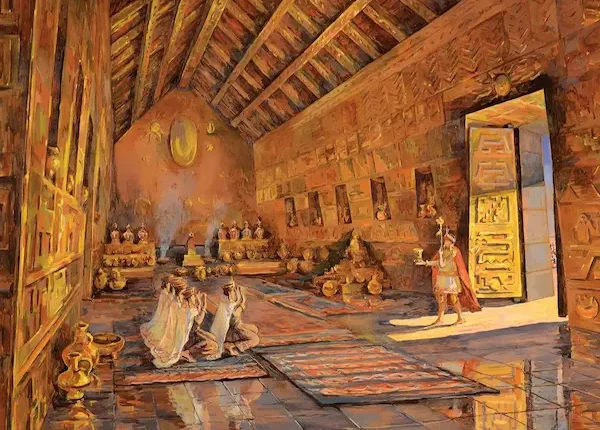
He extended Inca territory across vast regions of the Andes, creating one of the largest empires in pre-Columbian America through strategic conquest and alliances.
reorganization of the state
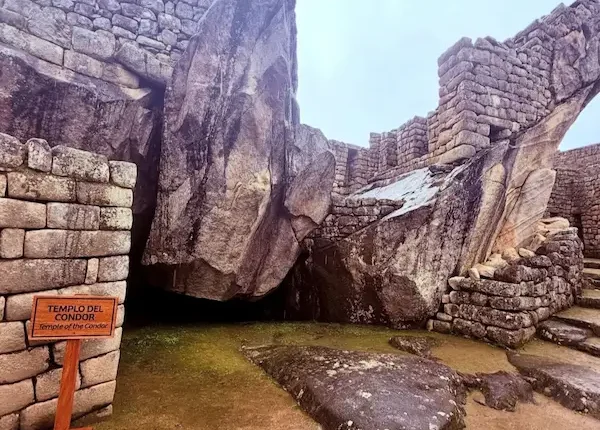
Pachacutec established a new political system that improved administration, control, and communication across the empire.
architecture development
He promoted the construction of cities, temples, and infrastructure, laying the foundation for the advanced Inca architecture seen in sites like Machu Picchu.
the legacy of pachacutec
Despite the passage of time, Pachacutec’s legacy remains a defining force in the development of the Inca Empire. His influence can still be seen through key aspects that shaped the civilization:
- Political Organization: He established a strong and efficient system of governance that allowed the empire to expand and maintain control over vast territories.
- Transformation of Cusco: Pachacutec redesigned Cusco into a planned capital, with temples, plazas, and administrative centers that reflected power and order.
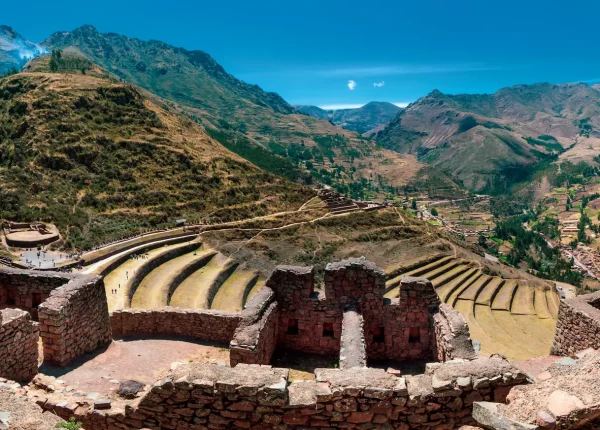
- Architectural Innovation: He promoted large-scale construction projects, including cities and infrastructures that showcased advanced Inca engineering.
- Cultural Impact: His leadership strengthened Inca identity, traditions, and social organization, leaving a lasting cultural legacy in the Andes.
- Enduring Influence: Many of his achievements, especially in architecture and urban planning, continue to inspire historians, architects, and travelers today.
interesting facts about pachacutec
Pachacutec was not only a powerful ruler but also a visionary leader whose influence shaped the Inca Empire in remarkable ways.

meaning of his name
The name Pachacutec means “the one who transforms the world,” reflecting his role in turning a small kingdom into a vast empire.

cuscos design
He is believed to have redesigned Cusco in the shape of a puma, symbolizing strength and power at the heart of the empire.
link to machu picchu
Many historians associate Pachacutec with the construction of Machu Picchu, one of the most iconic examples of Inca architecture.
Frequently Asked Questions about Inca History
Who was Pachacutec?
Pachacutec was the ninth ruler of the Incas and the leader who transformed a small kingdom into a powerful empire across the Andes.
Why is Pachacutec important?
He is considered the founder of the Inca Empire because he established its political organization, expanded its territory, and promoted major architectural developments.
When did Pachacutec rule?
He ruled during the 15th century, approximately between 1438 and 1471.
How did Pachacutec expand the empire?
He expanded the empire through military conquests, strategic alliances, and a strong system of governance that allowed efficient control of new territories.