
INCA CULTURE
Discover the culture of the Incas, one of the most fascinating civilizations of the ancient world. Explore their traditions, social organization, and deep connection with nature. Learn how they built a balanced society in the Andes and developed lasting cultural expressions. Join us on a journey through Inca culture and awaken your explorer spirit.
inca culture
Inca culture is known for its strong connection to nature, community values, and practical knowledge. Their society was highly organized, with traditions rooted in respect for the land and collective work. From agriculture to rituals, every aspect of life reflected balance and harmony. Discover how the Incas built a lasting cultural legacy in the Andes.
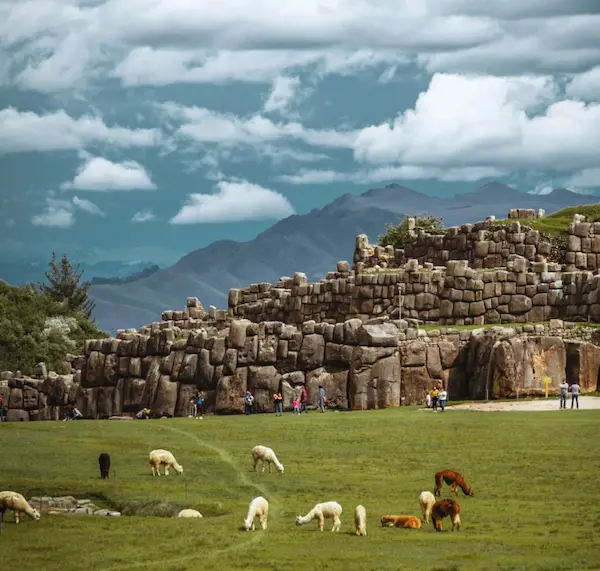
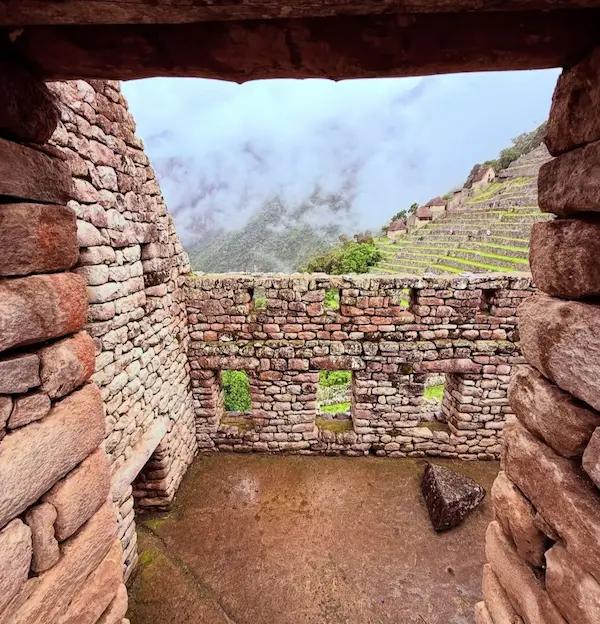
THE FOUNDATIONS OF INCA CULTURE
TRADITIONS AND LIFE IN THE ANDES
Inca culture was built on strong community values, sustainable living, and a deep connection with nature. The Incas developed social systems that allowed them to thrive in the challenging environments of the Andes, creating one of the most advanced civilizations in pre-Columbian America.
- Social Organization and Community (Ayllu): Inca society was based on collective work and shared resources, ensuring cooperation, stability, and survival across vast territories.
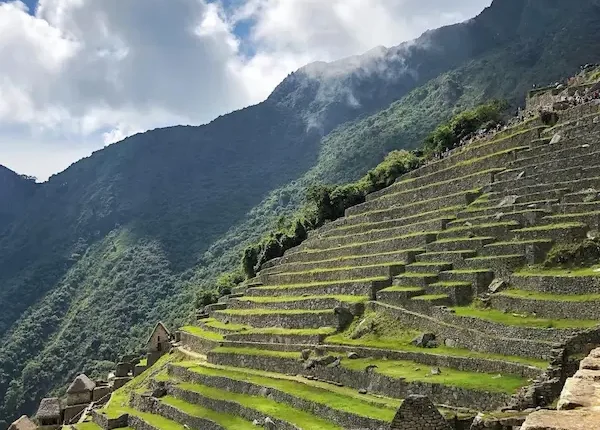
- Agriculture and Sustainability: The Incas mastered terrace farming and irrigation systems, optimizing food production in high-altitude regions while respecting the natural landscape.
These foundations show how Inca culture combined innovation, sustainability, and social harmony, leaving a lasting legacy that continues to influence Andean communities today.
inca economy and trade
The Inca economy was based on cooperation, resource management, and an extensive road network that connected the entire empire.
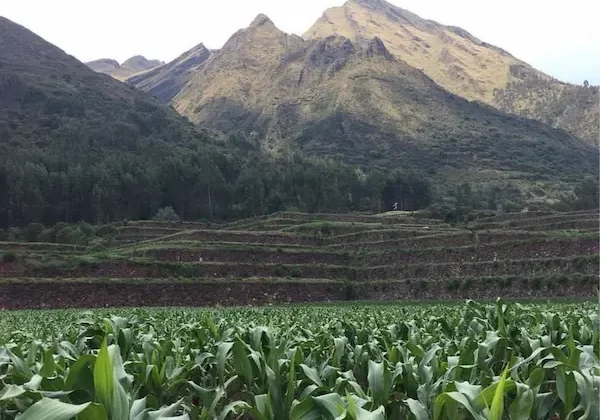
THE MITA SYSTEM
The Incas used a labor system called mita, where people contributed work instead of paying taxes. This system supported construction, agriculture, and public projects across the empire.
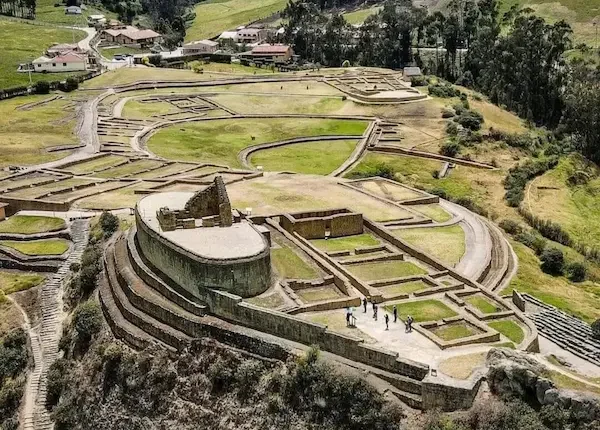
ROAD NETWORK (QHAPAQ ÑAN)
The Incas built a vast network of roads that connected cities, mountains, and regions. This system allowed efficient movement of goods, people, and information throughout the Andes.
STORAGE AND DISTRIBUTION
The Incas stored food and resources in structures called qullqas. These storage systems helped manage supplies, prevent shortages, and support the population during difficult times.
The legacy of inca culture
Despite the fall of the Inca Empire, its culture remains one of the most influential legacies in South America. Inca traditions, knowledge, and values continue to shape modern Andean communities and attract global interest.
Cultural Preservation: Many Inca traditions, including language (Quechua), agriculture, and festivals, are still practiced today, keeping their heritage alive across generations.
Spanish Influence: During the Spanish conquest, parts of Inca culture were transformed or suppressed. However, many traditions survived and blended with colonial influences, creating a unique cultural identity.
Enduring Impact: Today, sites like Machu Picchu and Cusco highlight the global importance of Inca culture, attracting travelers, historians, and researchers from around the world.
INCA CLOTHING AND TEXTILES
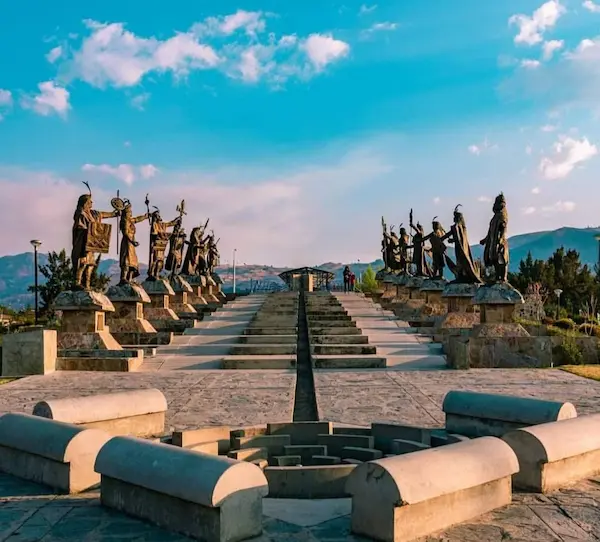
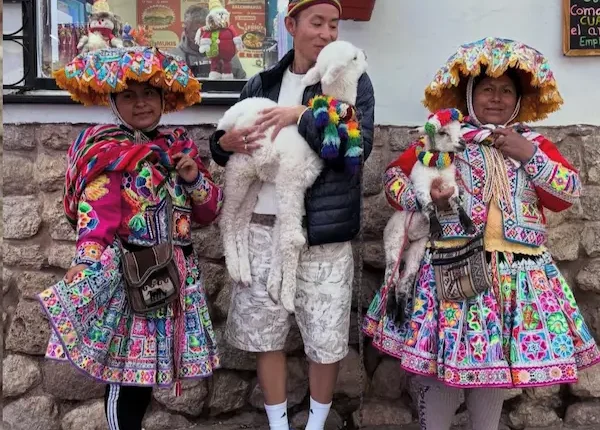
Inca textiles were among the most valuable and sophisticated elements of their civilization, reflecting identity, status, and cultural knowledge across the Andes.
WEAVING TECHNIQUES
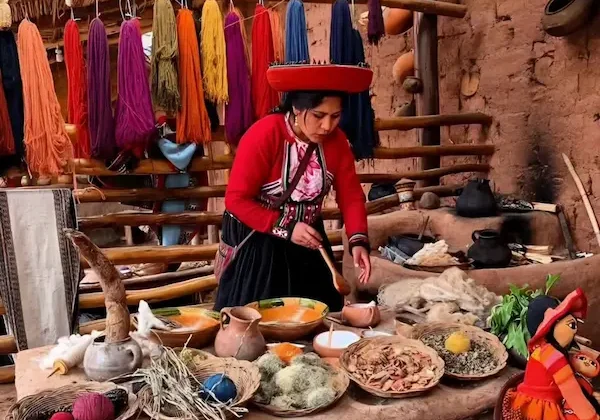
The Incas developed advanced weaving methods using alpaca and llama wool. Their textiles were carefully crafted by skilled artisans, producing intricate patterns that required precision and time.
SYMBOLS AND SOCIAL STATUS
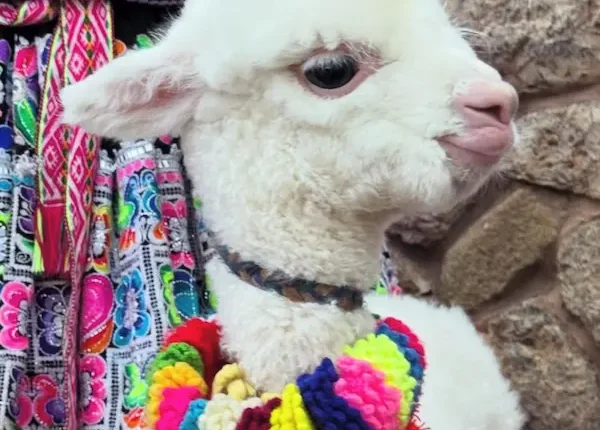
Clothing indicated social rank, role, and origin. Nobles wore fine garments with complex designs, while common people used simpler fabrics adapted to daily life in the Andes.
MATERIALS AND DAILY USE
Textiles were essential in everyday life, used for clothing, storage, and trade. High-quality fabrics were even more valuable than gold in Inca society due to their importance and craftsmanship.
Frequently Asked Questions about Inca culture
WHAT LANGUAGE DID THE INCAS SPEAK?
The Incas spoke Quechua, a language still widely used in South America today. It was essential for communication across the empire and remains an important part of Andean identity.
HOW DID INCA SOCIETY WORK?
Inca society was highly organized and based on cooperation. Communities worked together through systems like the ayllu, where resources and labor were shared for the benefit of all.
WHY IS INCA CULTURE STILL IMPORTANT TODAY?
Inca culture continues to influence modern Andean life through traditions, agriculture, language, and cultural practices. It is also a major attraction for tourism and historical research.
WHAT DID THE INCAS EAT?
The Inca diet was based on crops like potatoes, maize, and quinoa. They also consumed llama meat and used advanced agricultural techniques to grow food in the Andes Mountains.