

Travel to Peru is to discover a country where the past and the present coexist in every gesture. Its landscapes, diverse and powerful, reveal how nature and culture shape each other over time. From the high peaks of the Andes to the dense Amazon rainforest, everything seems connected by an invisible thread of memory and tradition.
In this land, history is not confined to ruins or museums; it lives in the people, in the markets filled with color, and in the quiet rituals that continue generation after generation. The journey becomes an encounter with authenticity a way to understand how ancient civilizations left a mark that remains visible in daily life.
To travel through Peru is, above all, to witness how a nation keeps its essence alive while embracing the flow of modern times. It is a space where identity breathes through diversity, and where every landscape tells part of a story that continues to unfold.
You may also like: Travel inspiration: How to plan a trip to Machu Picchu
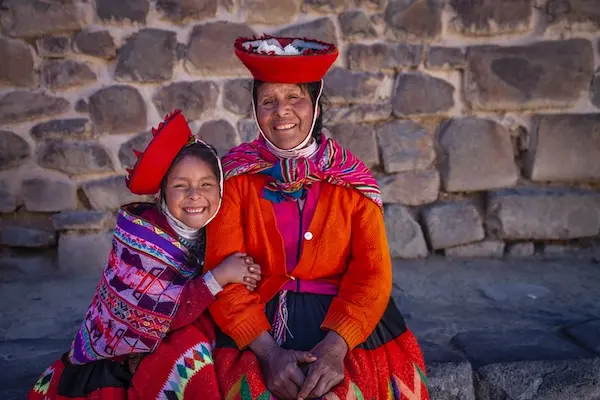
The Essence of a Land Built on Contrasts
Travel to Peru is more than a geographical movement; it is an immersion into a mosaic of worlds that coexist within one territory. From the snow-capped peaks that crown the Andes to the humid depths of the jungle, every corner of this country contains echoes of ancient voices and gestures that persist in daily life. Peru stands as a living testimony to coexistence a dialogue between modernity and memory, between the earth that gives and the culture that honors it.
What makes this country truly singular is the continuity between past and present. The ancient civilizations that once flourished here did not disappear entirely; they transformed, adapting to time yet maintaining their essence. Their traces remain visible not only in archaeological sites but also in traditions, in the rhythm of the markets, and in the silent rituals of the people who inhabit its valleys and mountains.
Landscapes That Redefine the Meaning of Journey
To travel across Peru is to witness how geography becomes identity. Each region shapes those who live there and the stories they share.
From the Andes to the Coastline
The Andes, with their monumental scale, define the heart of the country. Villages cling to the slopes as if in conversation with the mountains, while terraces trace ancient agricultural wisdom. Moving westward, the highlands give way to a coastal desert that borders the Pacific a narrow strip where life pulses with the energy of cities and the calm of fishing towns. The desert, with its silence, holds millenary secrets under its sand, while the ocean murmurs against cliffs sculpted by wind and time.
The Depth of the Amazon Rainforest
If there is a place that redefines the concept of abundance, it is the Peruvian Amazon. In this region, everything grows, breathes, and renews itself constantly. The diversity of species and the subtle balance between river and forest create a universe of sensations and mysteries. The Amazon Rainforest tours open perspectives on how human life intertwines with nature, not as a separate force but as a continuous exchange. The air itself seems to hold stories older than human presence whispered through bird calls and the steady hum of insects at dusk.
Hidden Valleys and Sacred Peaks
Between the highlands and the jungle, valleys stretch where rivers carve paths through fertile land. These are spaces where agriculture still follows lunar cycles and where communities maintain ancestral knowledge about plants and the soil. Above them, the peaks rise with a presence that transcends mere geography they are entities of respect and reverence. Many travelers feel that the mountains themselves guard the rhythm of time, and in their silence, there is always something to learn.
You may also like: Why Peru in october is the best month to visit
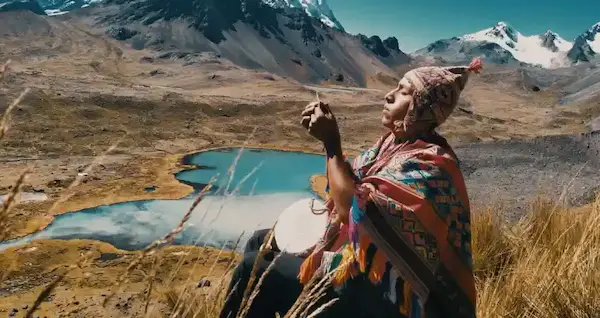
Cultural Heritage and Living Traditions
The Legacy of the Inca Civilization
The Incas built much more than stone structures. They built a philosophy of coexistence based on reciprocity, respect for nature, and community collaboration. Their legacy continues, not only in the ruins that attract admiration but also in the way of seeing the world that many Peruvian communities still embody. To understand this legacy is to understand that progress and balance can walk together, guided by the idea that human beings are part of a greater whole.
Festivals, Music, and Local Rituals
Festivals in Peru are expressions of gratitude and remembrance. They combine indigenous spirituality with influences brought from afar, creating celebrations that fill towns with colors and movement. Music, whether played on panpipes, drums, or guitars, expresses emotions that words cannot capture. In many communities, dance is a form of storytelling each step, each gesture, retells an episode of communal memory.
Handcrafts and Symbolic Art Forms
Textiles woven with natural dyes, ceramics shaped by hand, and silverwork that captures ancestral motifs all reveal the sensitivity of the artisans. Their craft is not merely aesthetic; it is narrative. Through every pattern or symbol, there is a coded message often about harmony, fertility, or protection. These objects embody the continuity of identity and serve as cultural bridges across generations.
The Soul of the Andes: Cusco and Its Surroundings
Traces of Empire in Every Stone
Cusco, once the navel of the Inca Empire, remains a living museum of stone. Its streets, where colonial buildings rise over Inca foundations, are evidence of resilience and transformation. The Cusco tours allow one to perceive how architecture, spirituality, and daily life coexist in perfect harmony. The main square, the temples, and the surrounding hills form an urban landscape that reflects centuries of adaptation and reverence for the sacred.
Sacred Valleys and Mountain Spirits
The Sacred Valley is not only a geographical area but an emotional and spiritual one. Terraces carved into the mountainsides, ancient irrigation channels, and still-inhabited villages like Pisac or Ollantaytambo connect visitors to the pulse of the Andes. The mountains are not silent observers; they are active participants in the lives of those who live beneath them. Every morning, rituals of offering remind people that gratitude is part of existence.
Everyday Life at High Altitude
Living at more than three thousand meters teaches a different sense of time. The rhythm of life in these areas is guided by the sun, the wind, and the needs of the soil. In the markets, the aroma of fresh produce blends with laughter and conversation. Every exchange whether for fruit, fabric, or a word reflects the value of reciprocity that defines Andean culture.
Exploring the Southern Routes
Deserts, Lines, and Stories Etched in Earth
Further south, the desert unfolds like an ancient book written in lines and shapes visible only from above. The Nazca Lines continue to provoke wonder and questions. The dry landscape seems silent, but it holds centuries of human creativity and observation. The south tours Peru offer insight into how people adapted to such arid conditions, developing ingenious systems to collect water and cultivate life where it seemed impossible.
Between the Altiplano and the Lake
The Altiplano region, shared with Bolivia, presents another kind of vastness one of open horizons and clear skies. Lake Titicaca, with its deep blue waters, is not only the highest navigable lake in the world but also a cultural cradle. The islands, both natural and floating, preserve ways of life that emphasize community and continuity. The silence of the lake at dawn is perhaps one of the purest experiences of serenity the country offers.
Gastronomy That Speaks the Language of the Land
Peruvian cuisine reflects its geography and history. Ingredients from the coast, mountains, and jungle merge to create flavors that narrate centuries of coexistence. Dishes like ceviche, quinoa soups, or jungle stews are more than recipes; they are cultural expressions shaped by migration, adaptation, and creativity. Sharing food is, in many ways, sharing identity.
You may also like: Fishing in the amazon river of Perú
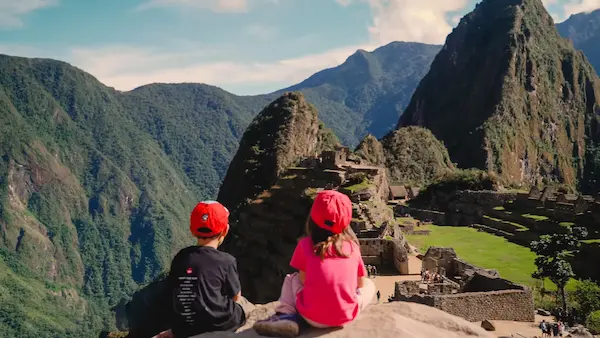
Family Travel to Peru: Connecting Generations Through Experience
Family travel to Peru reveals how exploration can strengthen bonds across generations. The diversity of landscapes allows children, adults, and elders to find meaning in different ways through nature, history, or daily interaction with local communities. Observing how grandparents teach patience while watching a sunset over the Andes, or how children learn respect for nature by planting a tree in the Amazon, transforms the idea of travel into a shared memory. The simplicity of walking together through small villages or tasting fruits never seen before becomes a form of rediscovery.
In family journeys, Peru becomes a classroom without walls. Each encounter offers a lesson on coexistence and empathy. These experiences nurture curiosity and gratitude values that remain long after the journey ends.
Seasons and Atmosphere: Finding the Best Time to Travel to Peru
The best time to travel to Peru depends on what one seeks to experience. The country’s diversity creates microclimates that coexist simultaneously. In the Andes, the dry season between May and October offers clear skies and radiant sunlight perfect for exploring highland paths and archaeological sites. The jungle, vibrant and unpredictable, can be visited year-round, but between April and November, its trails are more accessible. The coast, on the other hand, shines during the summer months from December to March, when the Pacific breeze softens the heat and towns fill with life.
Understanding these cycles allows travelers to connect more deeply with the environment. Every season has its own charm a different light, sound, or aroma that defines it. The rhythm of nature continues independently of schedules or itineraries, reminding us that timing, in places like Peru, is more about inner readiness than weather conditions.
Reflections and Subtle Advice for Conscious Travelers
Travel to Peru advice often transcends practical recommendations. Beyond altitude or climate, what matters most is attitude. Traveling consciously means listening before speaking, observing before judging, and participating respectfully in the rhythm of the places visited. It means understanding that each region has its own heartbeat, that traditions are not spectacles but expressions of identity, and that encounters with people are opportunities for mutual learning.
Respect for local customs, care for the environment, and appreciation for cultural diversity transform the journey into a dialogue rather than a conquest. Bringing curiosity instead of expectations allows the experience to unfold authentically. Sometimes, the most valuable lesson from traveling through Peru is learning to slow down, to notice the silence between the sounds, and to feel part of something larger than oneself.
A Journey That Stays Within
Peru is not only a destination; it is a reflection of humanity’s complexity and beauty. Every landscape, every gesture, and every tradition tells a fragment of a greater story one about adaptation, reverence, and continuity. Those who travel through its territories often discover that the country’s greatest richness lies not in monuments or viewpoints but in the invisible connections that unite people with their surroundings.
The mountains that seem eternal, the rivers that shape the forest, and the stones that hold centuries of memory all remind us that cultures survive through care and transmission. Traveling through this land is an act of witnessing a recognition that heritage is not something frozen in time but something that breathes with every new generation.
To travel to Peru, ultimately, is to rediscover the meaning of belonging. It is to realize that the same harmony that sustains the Andes, the jungle, and the sea also resides within us. The experience may end when the route does, but the impression remains subtle, profound, and enduring, like the echo of a melody that continues long after the sound has faded.

