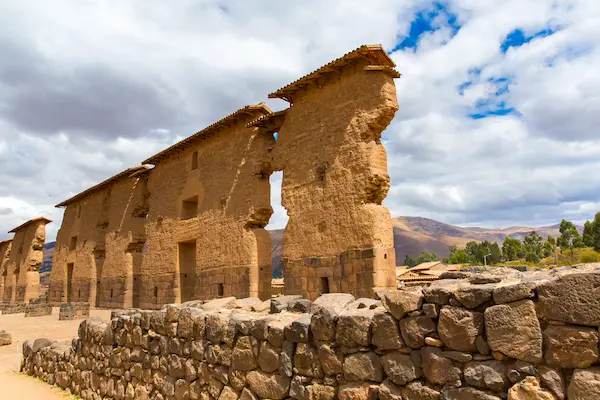
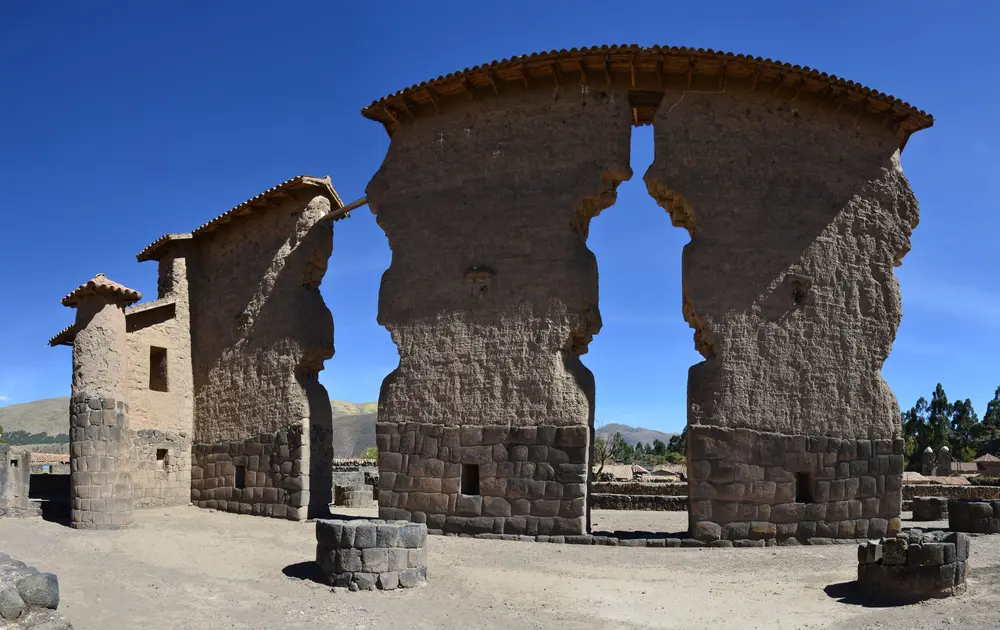
Discover the history, culture, and mysteries of one of the world’s most fascinating civilizations. Travel through time and delve into the Inca Empire.
One of the greatest civilizations in the Americas
The Inca Empire
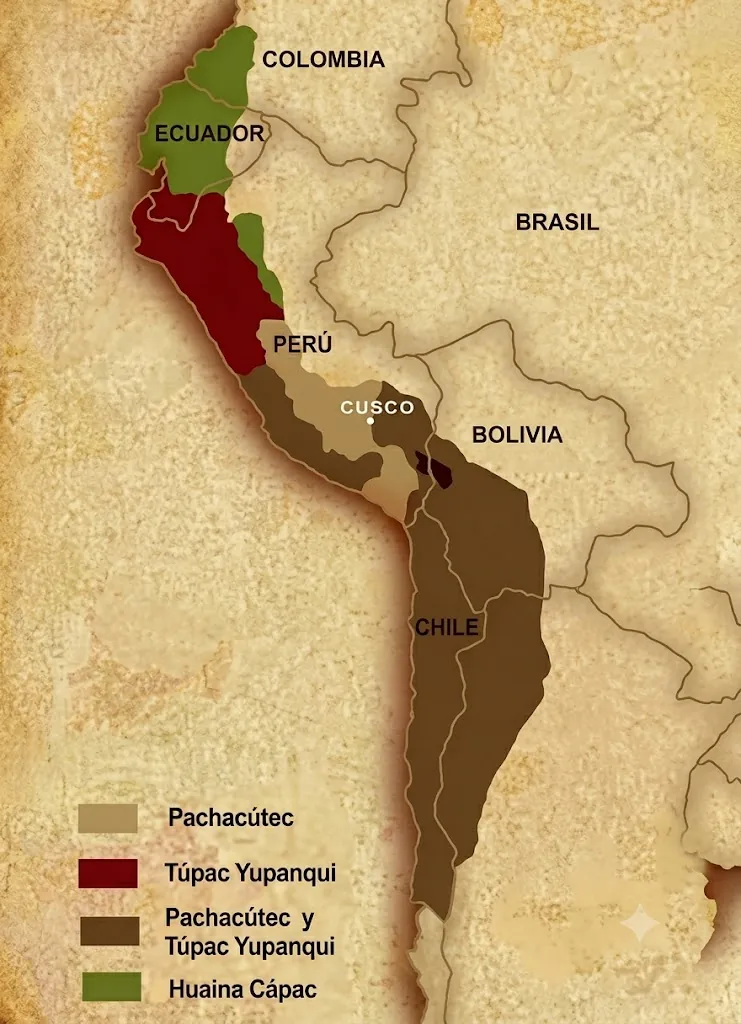
The Inca Empire was the most important civilization in South America before the arrival of the Spanish. Originating in the 13th century in the Andean region, its capital, Cusco, became the center of a vast territory that encompassed what is now Peru, Ecuador, Bolivia, part of Colombia, Chile, and Argentina.
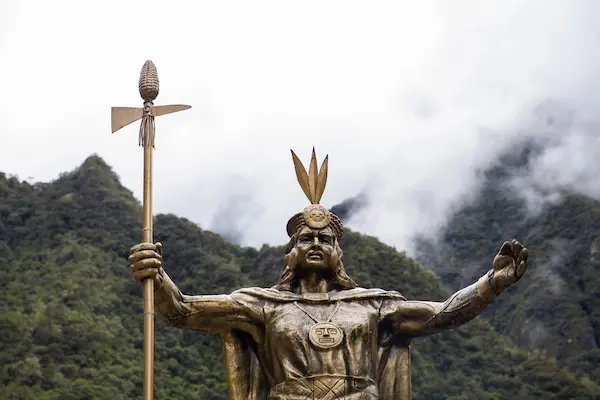
Under the leadership of great rulers like Pachacútec and Túpac Yupanqui, the empire expanded rapidly thanks to its advanced political, economic, and military organization. They implemented an efficient road system known as the Qhapaq Ñan, allowing communication between different communities.
Despite the Spanish conquest in the 16th century, the legacy of the Inca Empire remains alive in Andean culture. Their knowledge of architecture, astronomy, and agriculture continues to amaze the world, and iconic sites like Machu Picchu remain a symbol of their greatness today easily accessible through various tours en Machu Picchu organizados por expertos en turismo cultural.
Across the Andes, there are small details that help explain how this civilization managed to function across such a vast territory, especially in areas where geography itself was a constant challenge. In the case of the Incas Empire, these curiosities reveal how practical solutions shaped daily life and allowed the system to remain connected and organized across different regions.
Did you know that the Incas built agricultural terraces that are still in use today?
These terraces, designed to conserve water and prevent erosion, are still used by Andean communities to grow potatoes, corn, and quinoa.
The Inca Trail was more than just a path.
With over 39,000 km in length, this network of roads interconnected the entire empire, enabling an efficient messaging system with the chasquis.
Machu Picchu and its resistance to time
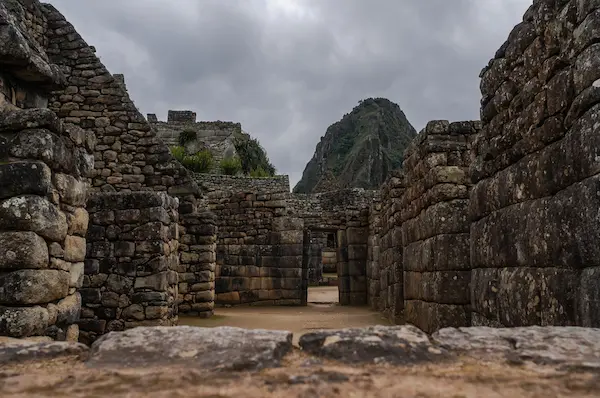
Thanks to its anti-seismic engineering, the citadel has withstood earthquakes without the need for cement: its stones fit together perfectly.
What is the Incas Empire?
The Incas Empire refers to the vast and powerful civilization known as the Inca Empire, considered the largest empire in pre-Columbian America. From its capital in Cusco, it expanded across a wide territory that includes present-day Peru, Ecuador, Bolivia, Colombia, Chile, and Argentina, uniting millions of people through an advanced system of roads, agriculture, and architecture.
Map of the Incas Empire
The maps of the Incas Empire help illustrate the scale and organization of one of the most extensive civilizations in pre-Columbian America. From its center in Cusco, its territory expanded across the Andes, covering diverse regions with different climates and landscapes, all connected through an advanced network that supported communication, agriculture, and governance across vast distances.
The expansion of Tahuantinsuyo, divided into its four regions or suyos: Chinchaysuyo, Antisuyo, Collasuyo, and Contisuyo.
The main administrative centers and important cities like Machu Picchu, Sacsayhuamán, and Ollantaytambo.
The diverse geography that the Incas mastered with their advanced agricultural and architectural engineering.
The strategic placement of settlements across different ecological zones, designed to optimize resource distribution and maintain regional balance within the empire.
Other important facts about the Inca Empire
Inca Economy
The Inca economy was based on agriculture, with crops such as potatoes, maize, and quinoa. They used terracing techniques to cultivate in the Andes. Unlike other civilizations, they had no currency; instead, they used a system of labor taxation called “mita.” Society was structured in ayllus (family-based communities), where everyone had a specific role, from farmers to artisans and warriors.
religion and mythology of the inca empire
Los incas adoraban a varios dioses, siendo Inti (el Dios Sol) el más importante. Creían en Viracocha, el dios creador, y realizaban rituales para honrar la naturaleza, las montañas y los cuerpos celestes. Inti Raymi, la Fiesta del Sol, era una de sus celebraciones más grandes, marcando el solsticio de invierno.
Agricultural Innovation
Through innovation, observation, and deep respect for nature, the Incas developed farming systems that allowed their empire to flourish in some of the world’s harshest environments.
Potatoes, with hundreds of varieties adapted to different altitudes
Maize, essential for daily consumption, rituals, and ceremonies
Quinoa, a highly nutritious grain rich in protein
These agricultural continue to influence sustainable farming practices worldwide and attract travelers interested in ancient agricultural knowledge and Andean traditions.
Urban Planning
Urban design represents some of the most visible Inca civilization achievements still admired today. Inca cities were carefully planned to adapt to geography, climate, and social hierarchy, resulting in highly functional and resilient settlements.
Cusco, the political and spiritual heart
Machu Picchu, a royal and ceremonial city
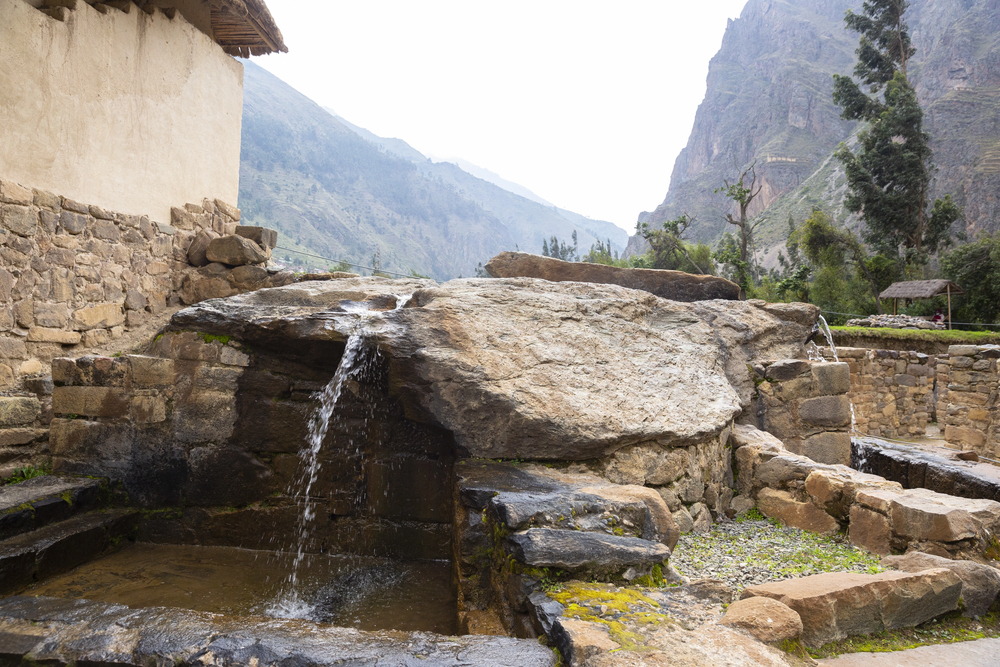
Ollantaytambo, a strategic military fortress
Stone construction, drainage systems, and seismic resistance make urban planning one of the most enduring Inca civilization achievements for modern visitors.
Timeline of the Inca Empire
1200: Legendary foundation of Cusco by Manco Cápac.
1438: Pachacutec expands the empire.
1471: Túpac Inca Yupanqui continues the expansion.
1525: Civil war between Atahualpa and Huáscar.
1533: Spanish conquest and fall of Cusco.
The Inca timeline reflects the rapid growth and eventual downfall of one of the most powerful empires in the Americas.
From its mythical origins to its golden age under Pachacutec and the tragic fall at the hands of the Spanish, each event played a crucial role in shaping the empire’s history. Understanding these key moments allows us to appreciate the complexity and achievements of the Inca civilization.
Frequently Asked Questions about the Incas Empire
In this section, you will find answers to the most common questions about the Inca Empire, its history, culture, and legacy. Discover fascinating facts about this great civilization and its impact on the Andean world.
What was the capital of the Inca Empire?
The capital of the Inca Empire was Cusco, known as the “Navel of the World.” It was the political, administrative, and religious center of the Inca civilization.
How did the Inca Empire expand?
The empire expanded through conquests and strategic alliances under the leadership of rulers like Pachacuti and Túpac Inca Yupanqui, who incorporated new territories through diplomacy and military power.
What was the Inca religion like?
The Incas practiced a polytheistic religion. Their main god was Inti, the Sun God, but they also worshiped Viracocha (the creator god) and various nature deities, such as mountains and rivers.
Why did the Inca Empire fall?
The empire fell in 1533 after the arrival of the Spaniards led by Francisco Pizarro. Factors such as the civil war between Atahualpa and Huáscar, diseases brought by the Europeans, and the military superiority of the conquistadors contributed to its collapse.
What legacy did the Incas leave behind?
The Inca legacy includes impressive constructions such as Machu Picchu, the Qhapaq Ñan (road system), their advanced terrace farming, and their social organization based on ayllus. Their culture remains alive in the customs and traditions of Andean communities.